cult experiences Academy
Film directing course
Our Film Directing program gives you a well rounded education in filmmaking. You’ll learn the key areas of directing, cinematography, screenwriting, producing, and editing, and more so you can understand every part of the process.
This program is for people who are passionate about storytelling and ready to fully commit to learning the art of film. It’s designed to challenge you, inspire you, and help you grow.
Get ready to develop your creativity, strengthen your storytelling skills, and become a confident, skilled film director. If you’re excited to explore the world of cinema and bring your ideas to life, this is the place to start.
Meet Our Cult Experiences Academy Alumni
A network of emerging filmmakers, artists, and creators who began their journey with us.
MEET THE ALUMNIWATCH THEIR FILMSProduction Projects & Course Assignments
Semester 1
During the program, each student will write, direct, produce, and edit 10 projects of increasing complexity and length, including two fully realized short films. These hands-on projects will focus on storytelling, directing fundamentals, and personal creative voice.
BONUS EXERCISES – WARM-UP
Class 1-5
Tell two complete stories — one in 5 seconds, the other in 10 seconds.
INTRODUCTION TO DIRECTING (IN-CLASS PRODUCTION WORKSHOP #1)
Class 5
For their first production, directors will shoot a simple scene that the instructor sets for them. They will make their own choices in how to bring it to life, then analyze and critique the results during class (Production Workshop #1).
Mise-en-scène (In-Class Production Workshop #2)
Class 10
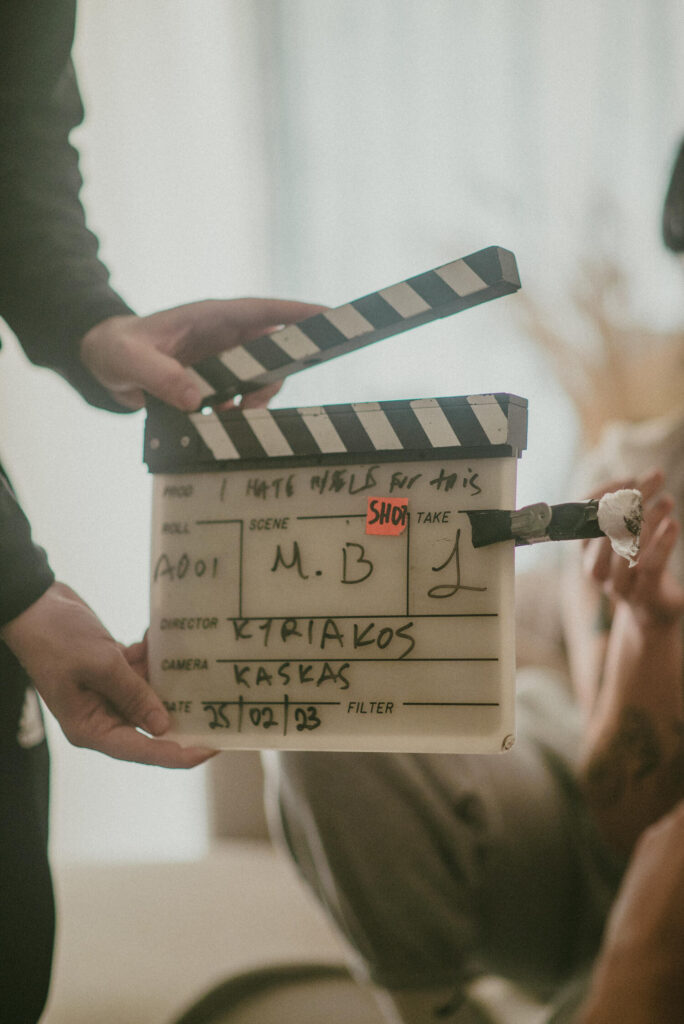
For their second production, students will be introduced to mise-en-scène, or directing a shot to visually tell a story. Once they create a dramatic moment, they concentrate on the dynamics of the shot that will best express it. This project teaches students how the visual relationship between the subject and the camera creates drama. Each student designs and shoots a scene that has a beginning, middle, and end. Students will learn to pay close attention to the choice of distances and angles.Since the story will be told within one long shot, it must be staged to express as much as possible about the characters and their actions. Directors should rehearse the shot for blocking of actors and camera until the scene works without needing to stop; only then should they start rolling. Students will shoot, edit and screen their films for critique and discussion.
Continuity & Coverage (In-Class Production Workshop #3)
Class 15
Continuity is one of the fundamental principles of cinematic storytelling. In this project, students will create a short film designed to teach two essential directing tools: continuity and coverage.
Continuity ensures that the story flows logically and believably across cuts, maintaining consistent action, spatial relationships, and screen direction. Students will explore how to preserve the illusion of real time, even when a scene is constructed from multiple shots.
Coverage refers to filming the scene from a variety of angles and shot sizes—such as wide shots, close-ups, and over-the-shoulders—to give the editor options for shaping performance, pacing, and focus in post-production. Through coverage, students learn how to build a dynamic sequence while preserving the continuity of the scene.
In this exercise, students must direct a short scene of continuous action, lasting up to three minutes, and constructed from 10 to 15 shots with no jumps in time or location. The goal is to tell a clear, visual story that feels authentic and believable to the audience.
With guidance from the instructor, students will be responsible for writing, directing, shooting, editing, and screening their film. As part of their preparation, they are expected to complete all essential pre-production work, including script breakdown, shot planning, floor plans, and storyboards. The final film should demonstrate a clear understanding of how to maintain continuity while using thoughtful coverage to enhance storytelling.
- Script
- Location scout
- Floor plan / Overheads
- Storyboard
- Schedule of shots / Shot List
Documentary (Independent Film Assignment #4)
Class 15-20
As an independent assignment outside of class, this project gives students the freedom to explore the real world through their own lens. Each student will choose a subject or theme that resonates with them—whether it’s a person, place, event, or issue—and create a short documentary film.
This project challenges students to observe, listen, and respond to reality, shaping their material into a compelling narrative. They are responsible for every step of the process: researching their subject, planning the shoot, conducting interviews (if relevant), capturing footage, and editing the final piece.
Rather than staging or scripting, students must find meaning and emotion in real life. The emphasis is on clarity, honesty, and strong visual storytelling—using framing, pacing, and sound to elevate the material. The final film should reflect the student’s personal point of view while honoring the truth of their subject.
This assignment is designed to cultivate curiosity, independence, and a documentary filmmaker’s eye for human detail and narrative structure.
Semester Film (Major Short Film #5)
Class 20-30
This fifth required film that students create is more ambitious in scope than the previous exercises. It builds upon the foundation of skills and knowledge gained in the first semester. There is a pre-production period during which students meet with instructor for consultation. From the first week of the program, students begin developing their scripts for this film. Each candidate must complete a production book that includes the following:
- Statement of Objective: idea of the film and stylistic approach in a concise statement.
- Scenario, shooting script, shot list, storyboards and floor plan / overheads.
- Analysis: intention, realization, mistakes, crew work.
In post-production, students will edit and color their films to enhance storytelling and emotional impact. They are encouraged to use sound design elements—including sound effects, music, voice-over, and ambient sound—to deepen atmosphere and narrative clarity.
The final project should be between three and ten minutes in length. While there is creative freedom, students are reminded that “less is more”—clarity, economy, and precision often lead to stronger films.
Projects may be of any genre, and may take the form of narrative, documentary, or experimental work.
Semester 2
Subtext & Advance Cinematography Film (Production Workshop #6)
Class 20
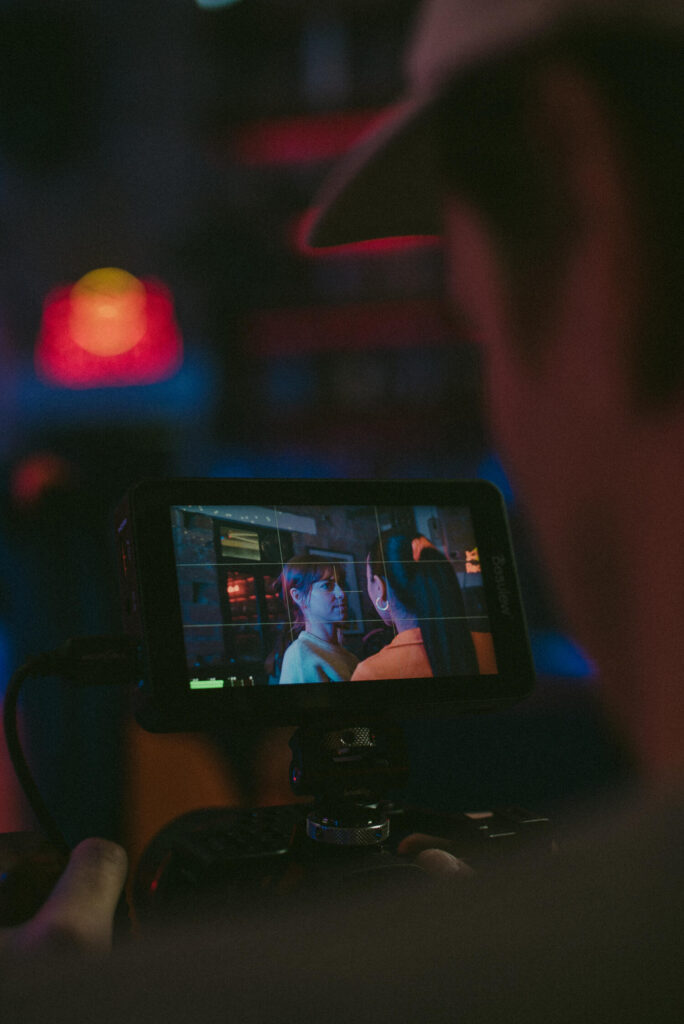
This advanced workshop focuses on two essential directing skills: crafting emotional subtext and telling stories visually through cinematography.
Students will begin with a one-page script provided by the instructor. Though the dialogue may seem simple, the challenge lies in uncovering and shaping the emotional layers beneath it. Each student will identify beats, develop a personal beat sheet, and define the subtext that drives the characters’ intentions and emotional shifts.
Based on this foundation, students will direct a scene with a clear beginning, middle, and end—filmed on a real location using the camera, lenses, and lighting of their choice. Cinematography is treated not just as technique, but as language: lighting, composition, blocking, and camera movement must serve the subtext and point of view.
Students will use all their directing tools to create a cinematic moment that shows not just what happens, but why it matters.
Montage Film (Independent Film Assignment #7)
Class 25-30
The fourth project in the Film directing program curriculum introduces students to the relationship between sound and film, as well as to narrative tools like montage and jump cuts.In this project, students are encouraged to explore a more personal form of visual storytelling, where they can choose a piece of music for their artistic expression. In the editing room, they cut their images to work in concert with, or in counterpoint to, the music. Students should experiment with rhythm and pacing. Each candidate writes, directs, shoots, edits, and screens a film of up to four minutes. In addition to storyboards, students may use a still camera to plan their films. This assists them in their choice of locations, angles, and lighting.
Imagination Project (Independent Film Assignment #8)
Class 30-35
This film that students create is more ambitious in relationship with imagination. The directors will write, direct and edit a story without any living character. It can be the story about a pen that sits on a desk or a tree that stands tall on a mountain.
POV (Independent Film Assignment #9)
Class 35-40
Each shot in a film expresses a point of view, and in narrative film the point of view changes often, sometimes with each new shot. For the most part, point of view — which is often called narrative stance — is largely invisible to the audience, though the accumulated effect of changing point of view profoundly affects the way the audience interprets any scene. For this production, students will analyze different ways to create a point of view through visual means: POV shot construction, camera placement and the 180-degree rule, shot size, shot constructions (such as over the shoulder construction), in depth and linear staging and blocking, lens choice, and sound design, etc.
The POV project is designed for students to explore the various techniques directors use to create a character’s point of view in a scene. Directors create a short two-minute scene containing minimal dialogue and no more than two characters with conflicting objectives. The director will create two versions of the script and edit two distinct versions of the scene. Each should visually present the viewer with a clear and distinct point-of-view.
Final Film (Major Short Film 10)
Greenlight on Class 40
By the end of the program, each student must have a fully prepared short film ready to shoot—including all pre-production materials.
Students may either develop a short film that reflects their artistic voice, or, if they already have a script, prepare a full Director’s Binder for a feature film.
Larger crews are encouraged, and students will have extended time for pre-production. Before receiving the green light, each director must submit a detailed production book and receive instructor approval.

Curriculum
Welcome & orientation
Distribution of the full Course Syllabus
Overview of what the course includes
Setting clear expectations for the course
Understanding the creative and logistical responsibilities of a director
Acknowledging the complexity of directing — both artistic and practical
In-Class Scene Breakdown & Discussion:
Group analysis of a selected film scene
Identify objectives, subtext, obstacles, and directorial choices
Introduction to the 3-Act Structure
The Blake Snyder Beat Sheet explained
Overview of common beat sheet formats
How story structure shapes emotion and meaning
The director’s role in interpreting written beats into visual moments
Understanding structure as a storytelling tool, not a formula
In-Class Film Breakdown & Discussion using a beat sheet
Writing a logline that captures the essence of your story
Understanding the difference between tagline, logline, synopsis, and treatment
Introduction to scene writing and what makes a scene dramatic
Types of scenes: expositional, conflict-driven, transitional, climactic
How each level of writing serves the director’s understanding of story and tone
Recognizing what makes a scene function within the larger arc
Identifying the emotional core and conflict of a scene
In-Class Breakdown of a scene:
Analyze how logline → synopsis → treatment → scene are all connected
In-Class Discussion:
Review Ideas for Semester One Film
How to format a screenplay professionally
Understanding and applying:
▪ Sluglines (scene headings)
▪ Action lines (visual descriptions)
▪ Character cues
▪ Dialogue
▪ Extensions (O.S., V.O., CONT’D, etc.)
▪ Parentheticals (how a line is delivered)
▪ Other industry-standard formatting elements (transitions, shots, etc.)
Translating intention into clear, visual writing
How formatting supports directorial clarity
Avoiding common screenwriting mistakes that limit interpretation
In-Class Discussion:
Review Log Lines and Synopsis
Discussion on how formatting choices affect performance and directing
How to read and interpret a beat sheet as a director
Analyzing how beats influence scene construction and pacing
First Production Workshop session: shifting from theory to practice
Learning to identify beats visually and emotionally
Understanding how to direct from a written structure
Developing a critical eye as a filmmaker
In-Class Exercise:
Critique and discussion of the 5-second story assignments
Peer feedback and analysis: clarity, visual storytelling, emotional impact
Practical insights on what makes micro-narratives work
Overview of different types of films (Features, Shorts, narrative, documentary, experimental, commercial, etc.)
Exploration of film genres and how they influence directing choices
Understanding theme as the emotional and philosophical core of a film
Introduction to crew positions on set and their responsibilities
Breakdown of a call sheet and how a shoot is organized
Recognizing how genre and theme inform tone, style, and visual language
Learning how to collaborate effectively with crew
Understanding the hierarchy and communication flow on a professional set
Review Assignments
Types of producers (Produced by, creative producer, line producer, executive producer, etc.)
The five stages of production:
▪ Development
▪ Pre-production
▪ Production
▪ Post-production
▪ Distribution
Basics of budgeting and understanding where the money goes
Intro to scheduling tools and the importance of timing
Overview of contracts and production forms (location releases, actor agreements, etc.)
Understanding the producer’s impact on creative and logistical success
Balancing artistic vision with financial and legal responsibilities
Gaining insight into the paperwork behind every production
In-Class Exercise:
Walkthrough of a sample budget and shooting schedule
Group discussion on real-world producer challenges and solutions
The role of the director throughout all stages of filmmaking:
▪ Development
▪ Pre-production
▪ Production
▪ Post-production
▪ Distribution
What goes into a Director’s Binder:
▪ Beat sheet
▪ Storyboard
▪ Overhead diagrams
▪ Shot list
▪ Casting notes / Audition materials
▪ Rehearsal plans
▪ More
Understanding how the Director’s Binder becomes the creative and logistical blueprint for a shoot
Learning how to communicate vision clearly to crew and cast
Preparing to take control on set with confidence and clarity
In-Class Exercise:
Walkthrough of the “Going for a Take” protocol:
▪ Quiet on set
▪ Sound rolling
▪ Camera rolling
▪ Mark it
▪ Action!
Begin assembling mock director binders using short scene material
Definition and breakdown of mise en scène:
▪ Set design
▪ Lighting
▪ Costume
▪ Blocking
▪ Framing
▪ Camera movement
How mise en scène communicates tone, emotion, and subtext
Analysis of scenes where mise en scène plays a dominant role
Understanding how every visual element contributes to storytelling
Learning to compose meaning within the frame
Director’s role in shaping and controlling mise en scène on set
In-Class Exercise:
Breakdown of iconic film stills and scenes
Practical application of mise en scène concepts introduced in Class 9
Translating theory into visual design choices on set
Working with space, props, lighting, and actor positioning
Deepening your ability to craft meaning through visuals
Making intentional directorial decisions about what’s in the frame and why
Collaborating with crew to execute a cohesive visual plan
Understanding film aesthetics as a blend of style, mood, and tone
Exploring the relationship between content and film form
Overview of film styles (realism, expressionism, minimalism, surrealism, etc.)
Defining and identifying subtext in scenes and performances
Examining different points of view:
▪ Subjective POV (through a character’s emotional or visual lens)
▪ Objective POV (neutral, observational camera)
How directors use form and style to shape audience emotion
Recognizing and crafting layers of meaning beneath dialogue
Choosing the right POV to align the audience with character or theme
Scene analysis: identifying subtext and POV
Rewriting a short scene from objective → subjective POV and discussing the change in effect
Defining a beat and its role in scene rhythm and performance
Using action verbs to clarify objectives and intentions
Exploring adjustments directors give to actors
Tapping into personal associations for emotional truth
Understanding and identifying subtext through behavior and tone
Engaging the 5 senses to deepen performance and direction
Creating and using a Beat Chart / Beat Sheet
Marking and identifying beats in a script
Directing actors through emotional shifts and intentions
Recognizing how every line or moment carries a beat
Learning to break down scenes into active, playable moments
In-Class Exercise:
Students mark beats on a selected scene
Group discussion and presentation of different interpretations
Practice giving actionable adjustments using verbs and sensory cues
The editor’s role in shaping performance, rhythm, and story
Key editing principles:
▪ 180-Degree Rule
▪ Eyeline matching
▪ Eye trace
▪ 30-Degree Rule
▪ Shot–reverse–shot
▪ Match cuts
▪ Cutaway shots
▪ Cross-cutting / Parallel editing
▪ Dissolves & fades
▪ J & L cuts
▪ Jump cuts
▪ Montage techniques and meaning
Introduction to Walter Murch’s Rule of Six – the six priorities when making a cut:
▪ Emotion
▪ Story
▪ Rhythm
▪ Eye trace
▪ 2D plane of screen
▪ 3D space of action
Understanding how editing supports continuity and emotional clarity
Recognizing when to follow or break the rules for creative effect
Applying Murch’s Rule of Six as a directing mindset, not just an editing tool
In-Class Exercise:
Scene screening and editing breakdown
Students identify the use (or violation) of each rule
Discussion: how does editing change tone, performance, or story?
How to build a shot list as a planning and communication tool
Creating overhead diagrams to map blocking and camera movement
Introduction to storyboarding: visualizing the scene before shooting
Camera shot sizes:
▪ Extreme wide
▪ Wide
▪ Medium
▪ Close-up
▪ Extreme close-up
Types of camera shot framing:
▪ Over-the-shoulder
▪ POV
▪ Two-shot
▪ Insert
▪ Tracking / dolly / handheld framing
Basics of camera focus techniques:
▪ Deep focus
▪ Shallow focus
▪ Rack focus
How a director translates intention into camera choices
Using framing and focus to shape emotion, rhythm, and meaning
Preparing clear visual tools to communicate with your cinematographer and crew
In-Class Exercise:
Students create a shot list and storyboard for a short scripted scene
Practice drawing overheads and identifying shot sizes from reference scenes
Understanding continuity in performance, props, wardrobe, and movement
Planning coverage to ensure flexibility in the edit:
▪ Master shot
▪ Mediums
▪ Close-ups
▪ Inserts
▪ Cutaways
How to direct actors and camera to maintain spatial and emotional consistency
Importance of shot overlap and matching action
Shooting with the edit in mind
Balancing artistic intent with practical shooting needs
Recognizing common continuity pitfalls on set
In-Class Exercise:
Production workshop: students direct and shoot a short scene using full coverage
Focus on matching action, maintaining continuity, and executing planned shot lists
What is a camera shot angle and how it affects perspective and power dynamics
Common camera angles:
▪ High angle
▪ Low angle
▪ Dutch angle
▪ Bird’s-eye view
▪ Worm’s-eye view
▪ Over-the-shoulder
▪ Point-of-view
Camera movement techniques:
▪ Pan
▪ Tilt
▪ Dolly
▪ Truck
▪ Handheld
▪ Steadicam
▪ Crane
▪ Zoom vs. dolly-in
Camera mechanisms and gear:
▪ Tripod
▪ Gimbal
▪ Slider
▪ Shoulder rig
▪ Drone
Introduction to camera lenses:
▪ Wide-angle
▪ Standard
▪ Telephoto
▪ Prime vs. zoom lenses
▪ Focal length and depth of field
Understanding how camera choices influence emotion, tension, and perspective
Selecting the right combination of angle, movement, and lens for storytelling impact
Review of key concepts:
▪ What is a beat?
▪ How to use a beat sheet/chart to map character objectives and emotional shifts
▪ How beats relate to blocking, camera choices, and actor direction
Deepening your understanding of beats through hands-on exercises
Moving from theory to practical application
Learning to read a scene moment by moment
Recognizing how beat structure supports rhythm, tension, and performance
In-Class Exercise:
Students work in pairs to analyze and mark beats in a selected scene of their upcoming semester film
Create a beat chart with action verbs, subtext, and adjustments
Group presentations: compare beat interpretations and discuss directorial choices
Introduction to the emotional and visual power of light in storytelling
Types of lighting setups:
▪ Natural lighting
▪ Available light
▪ Practical lights
▪ High-key vs. low-key lighting
▪ Hard vs. soft light
Understanding the three-point lighting system:
▪ Key light
▪ Fill light
▪ Backlight
Exploring motivated lighting (light that appears to come from a source within the scene)
Creative uses of color temperature, direction, and shadows
How lighting influences mood, realism, and tone
Learning to light for emotion, not just exposure
How directors communicate lighting intentions to the cinematographer
What is cinematography and how it shapes the audience’s emotional experience
The importance of camera placement in storytelling and blocking
Revisiting camera framing to enhance mood, power dynamics, and focus
Introduction to the Exposure Triangle:
▪ ISO
▪ Aperture (f-stop)
▪ Shutter speed
Using camera lens filters:
▪ ND filters
▪ Polarizers
▪ Diffusion filters
▪ Creative filters
Understanding white balance and how to control color temperature
▪ Warm vs. cool tones
▪ Mixed lighting environments
▪ Consistency across shots
Gaining technical awareness of how the camera “sees”
Making intentional visual decisions based on story needs
Collaborating with cinematographers using shared terminology and goals
Merging emotional subtext with visual storytelling
Deepening the director’s role as a visual and emotional interpreter of the script
Reading between the lines: uncovering the hidden layers beneath simple dialogue
Workshop Process:
Students receive a one-page screenplay with surface-level dialogue
Identify beats, intentions, and underlying subtext
Create a personalized beat sheet to guide performance and direction
Design visual language that supports subtext:
▪ Lighting
▪ Framing
▪ Blocking
▪ Camera movement
▪ Lens and color choices
Treating cinematography as a storytelling tool, not just visual style
Directing a scene that communicates why the moment matters, not just what happens
Balancing technical execution with emotional authenticity
Students direct a complete scene (beginning, middle, end) on location
Execute full visual plan using chosen gear (camera, lenses, lighting, support)
Group critique focused on subtext, performance, and visual intention
The role of the Casting Director in film production
How to attach talent strategically to attract other collaborators, funding, or interest
The full casting process:
▪ Creating character breakdowns
▪ Posting casting calls
▪ Pre-screening and auditions
▪ Callbacks and final selections
Working with professional actors:
▪ How to find and approach them
▪ Benefits of hiring experienced talent: professionalism, presence, reliability
▪ Understanding contracts, availability, and collaboration expectations
Writing an effective Character Breakdown:
▪ Age, appearance, emotional profile
▪ Objectives, conflicts, essence
▪ Tone and physical requirements
Seeing casting as a creative extension of directing
Learning to recognize the right actor beyond “looks”
Preparing to communicate clearly and respectfully with talent
Full recap of core concepts from Classes 1–21
▪ Screenwriting structure and beat sheets
▪ Mise en scène and visual language
▪ Directing actors and subtext
▪ Cinematography fundamentals and storytelling
▪ Editing principles and production workflows
Reviewing essential pre-production tools:
▪ Director’s binder
▪ Shot list, overheads, and storyboards
▪ Beat charts and rehearsal plans
▪ Casting, scheduling, and location planning
Transitioning from theory and exercises to a fully executed short film
Setting expectations for directing, crew coordination, and creative decision-making
Clarifying roles, deliverables, and production timelines for the semester project
Introduction to the 7 Visual Elements of Cinema:
▪ Space
▪ Shape
▪ Line
▪ Tone
▪ Color
▪ Movement
▪ Rhythm
Space:
▪ Positive and negative space – balance, isolation, and tension
▪ Deep space and the use of depth cues
▪ Perspective – how the camera and composition create dimensionality
▪ Size difference – using scale to communicate power and emotional distance
▪ Textural and aerial diffusion – how contrast and focus simulate depth
▪ Illusory depth – tricks that make a 2D image feel 3D
▪ Object movement – how characters and objects move through space
Shape:
▪ Geometric and organic shapes
▪ Shape change – how forms evolve in a frame to reflect emotional shifts
▪ Symbolic associations of shape in film (e.g., triangles for instability, circles for harmony)
Learning how space and shape create visual depth, emotion, and meaning
Seeing the frame as a designed environment, not just a place to put actors
Recognizing how directors and DPs sculpt space through framing, blocking, and movement
Continued exploration of the 7 Visual Elements of Cinema
Focus on Tone, Line, and Shape
Definition of tone in visual storytelling (light vs. dark, value range)
Understanding Contrast & Affinity in tone:
▪ High contrast = tension, drama, clarity
▪ High affinity = calm, subtlety, uniformity
Principle of Contrast & Affinity:
▪ How contrast and similarity create emotional rhythm in editing, composition, and performance
▪ How tone guides focus and emotional weight in a frame
Exploring Lines and Shapes: how visual lines direct attention and energy
Types of line-based perception:
▪ Edge – where two tones meet
▪ Contour – perceived border of an object
▪ Closure – implied line by object grouping
▪ Intersection of planes – where surfaces meet
▪ Imitation through distance – how far-apart objects align as perceived lines
Structural tools:
▪ Axis – direction of movement or orientation
▪ Track – implied or literal movement path
▪ Linear motif – repeated or symbolic line forms
Contrast & Affinity in Line – straight vs. curved, vertical vs. diagonal, chaotic vs. consistent
How shadows create or obscure shapes
Understanding how lighting, contrast, and composition alter the perception of form
Using shape and shadow to reinforce theme, emotion, or mystery
Learning to see and use tone, line, and shape as expressive visual tools
Understanding how visual contrast and consistency influence the audience’s emotional response
Recognizing how each element interacts within the frame
Definition of Subtext:
▪ What is left unsaid but deeply felt
▪ The emotional, psychological, or thematic meaning beneath the surface of dialogue and action
Direct Synonyms & Understanding Subtext:
▪ Implication
▪ Underlying emotion
▪ Intention behind the words
▪ Double meaning / coded meaning
▪ Internal conflict
Subtext in Dialogue and Performance:
▪ Saying one thing while feeling another
▪ How tone, timing, and behavior reveal the truth
▪ Using body language, silence, and non-verbal cues
▪ How directors help actors discover and play subtext
Subtext in Writing and Analysis:
▪ Identifying beats and objectives
▪ Asking “what is the character really trying to say?”
▪ Using action verbs and adjustments to unlock meaning
▪ Layering subtext into screenplay scenes or directorial notes
Training yourself as a director to see what’s not on the page
Guiding actors toward authentic emotional depth
Interpreting scripts and scenes through behavior, rhythm, and silence
Light as the foundation of color
▪ Relationship between light and photography
▪ Understanding color temperature and Degrees Kelvin
▪ Warm light vs. cool light and how it affects emotion
Color Systems & Identification
▪ RGB vs. CMYK vs. additive/subtractive color models
▪ How monitors display and mix color
▪ Identifying and selecting color intentionally in pre-production
The Basic Components of Color:
▪ Hue – the color itself
▪ Brightness (Value) – how light or dark it is
▪ Saturation – how intense or muted the color is
Contrast & Affinity in Color
▪ How contrast in hue, value, and saturation creates emotional tension
▪ How affinity creates subtlety and calmness
Color Harmony Techniques:
▪ Complementary colors – opposites that create contrast (e.g., red/green, blue/orange)
▪ Analogous colors – side-by-side on the wheel for smooth, cohesive looks
▪ Hue mixed with black (shade) or white (tint) for control and atmosphere
Understanding color as an emotional and thematic tool
Recognizing how directors and cinematographers use color to guide tone and story
Becoming fluent in the language of color design
Types of Movement in cinematic storytelling:
▪ Actual Movement – real motion captured on screen
▪ Apparent Movement – perceived motion created by editing or framing
▪ Induced Movement – when the viewer feels movement even when nothing moves
▪ Relative Movement – how one object moves in relation to another
Simple vs. Complex Movement
▪ One-directional vs. multidirectional or layered motion
▪ Tracking multiple elements in the frame
Movement in the Screen World
▪ Object movement – characters, props, vehicles
▪ Camera movement – pan, tilt, dolly, handheld, etc.
▪ Point-of-attention movement – guiding the viewer’s eye
Movement’s Contrast & Affinity
▪ Slow vs. fast, smooth vs. shaky
▪ How consistency or contrast in movement creates rhythm, emotion, or tension
Movement in Context:
▪ Movement of a single object vs. object + moving background
▪ Use of foreground/midground/background for layered motion
▪ Continuum of movement:
Within the shot – continuous motion in a single frame
From shot to shot – motion connected through editing and continuity
Controlling Movement in Production
▪ How blocking, framing, and choreography work together
▪ Communicating motion effectively to actors and crew
Understanding movement as a visual rhythm and emotional driver
Learning to guide the viewer’s attention with deliberate motion
Combining object, camera, and edit movement for maximum impact
Introduction to Rhythm as a visual and emotional pattern in film
Core concepts:
▪ Alternation
▪ Repetition
▪ Tempo
Types of Rhythm in Film:
▪ Rhythm of Stationary Objects – visual arrangement, size, spacing
▪ Rhythm of Moving Objects – movement patterns across the frame
▪ Primary rhythm – dominant movement or pacing element in a scene
▪ Secondary rhythm – supporting movement or pacing that creates texture
Editorial Rhythm:
▪ Timing of cuts and transitions
▪ Creating rhythm through shot duration and juxtaposition
▪ Managing pace using the event structure:
The Event – a moment with emotional or narrative significance
The Continuous Event – uninterrupted action or experience
The Fragmented Event – broken or stylized for effect (montage, nonlinear storytelling)
Rhythmic Patterns:
▪ Using visual and narrative rhythm to mirror tone or theme
▪ Examples in action, drama, comedy, and experimental film
Contrast & Affinity in Rhythm:
▪ High tempo vs. slow tempo
▪ Chaotic vs. predictable rhythm
▪ How rhythm builds energy, suspense, or calm
Controlling Rhythm During Production:
▪ Timing of actor movement and blocking
▪ Dialogue pacing and pauses
▪ Camera motion and shot duration
▪ Planning rhythm visually and emotionally before entering post
Understanding rhythm as a cinematic pulse that drives engagement
Recognizing that rhythm isn’t just an editorial tool—it’s shaped from the moment you block a scene
Creating intentional, meaningful rhythms across all visual and narrative layers
Deep dive into script analysis from a director’s perspective
Breaking down a scene or full short script with focus on:
▪ Beats – emotional and narrative shifts
▪ Subtext – what’s really being said beneath the dialogue
▪ Intentions, obstacles, and turning points
Reading and interpreting new scripts
Understanding how to develop directorial vision based on the script’s structure and tone
Exploring different directing approaches for the same material
Building confidence in analyzing and interpreting scripts
Recognizing how writing informs visual and emotional decisions
Learning to collaborate with writers or rework scripts for directing clarity
In-Class Exercise:
Group script breakdown: students analyze beats and subtext in a provided scene
Begin working on new scripts (either originals or peer-written scenes)
Present interpretations and directorial approaches in small groups
In-class editing session focused on students’ short film drafts
Reviewing and analyzing first cuts with a critical eye toward:
▪ Pacing and rhythm
▪ Continuity and flow
▪ Emotional clarity
▪ Scene transitions and structure
▪ Sound design and performance timing
Identifying editing challenges and discussing creative or technical solutions
Group feedback sessions for collaborative input and director insight
Learning to step back and evaluate your own work as a director
Understanding the editing room as the final rewrite of the film
Using feedback constructively to guide the next cut
In-Class Exercise:
Each student presents their short film draft or selected scenes
Group and instructor feedback with time-stamped notes
Begin live revisions or note-taking for the next round of edits
Understanding Production Design as a storytelling tool
Role of the Art Department and collaboration with the director
Key Production Design Decisions:
▪ Setting the mood and emotional tone
▪ Reflecting character through space, objects, and color
▪ Supporting theme through design choices
Production Design Tips for directors:
▪ Working with limited budgets and real locations
▪ Using symbolism, texture, and color to create atmosphere
▪ Coordinating design with cinematography and costume
Script Breakdown for Design:
▪ Identifying props, set dressing, visual metaphors
▪ Translating the story into visual language
Creating a Mood Board:
▪ Gathering reference images, palettes, textures, and objects
▪ Communicating tone, world, and emotional intent
Building the Director’s Lookbook:
▪ A visual guide to the film’s world
▪ Includes mood boards, character references, locations, frame examples, lighting inspiration, etc.
Empowering directors to guide the visual identity of their projects
Learning to communicate design vision effectively to the art department
Bridging the gap between story and visual execution
Role of the Costume Designer in film production
Structure and responsibilities of the Costume Department
▪ Collaborating with the director and production designer
▪ Working with actors during fittings and rehearsals
▪ Managing wardrobe continuity across scenes and days
How costumes support:
▪ Tone – setting the emotional and stylistic atmosphere
▪ Theme – reinforcing the film’s message or motif
▪ Character arcs – showing internal transformation through visual change
▪ Setting – time period, culture, social context
▪ Plot – signaling transitions, revelations, or symbolism
Research:
▪ Historical references, mood boards, real-world inspiration
▪ Aligning wardrobe with the film’s world and tone
Costume Designer Tools:
▪ Character wardrobe charts
▪ Costume breakdowns per scene
▪ Color palettes and fabric swatches
▪ Fitting notes and on-set continuity forms
Tips for Your Costume Design:
▪ Don’t dress the actor — dress the character
▪ Collaborate with cinematography and production design for color balance
▪ Use costume changes to mark story progression
Seeing costume as a storytelling layer, not decoration
Learning how wardrobe shapes perception, emotion, and believability
Developing the ability to give clear costume direction as a filmmaker
Overview of the Hair & Makeup Department
▪ Roles of key artists: hairstylist, makeup artist, SPFX makeup specialist
▪ Collaboration with director, costume designer, and production design
Creating a Hair & Makeup Schedule
▪ Timing around shoot days, continuity, and actor prep
▪ Coordinating looks across multiple shooting days and emotional arcs
Hair Styling as Visual Language
▪ Symbolism in hair: power, decay, transformation, culture
▪ How hair evolves with character development
Makeup Techniques
▪ Natural, stylized, period, or narrative-driven looks
▪ Matching skin tones to lighting and camera setups
▪ Gender, aging, and psychological cues through makeup
Introduction to SPFX Makeup (Special Effects Makeup):
▪ Bruises, wounds, scars, blood, aging, fantasy/sci-fi elements
▪ Working with prosthetics, latex, and airbrush techniques
▪ Safety and comfort of the actor
What Are Practical Effects?
▪ Real, in-camera effects created on set without CGI
▪ Examples: fake blood, smoke machines, breakaway glass, squibs, body doubles
▪ When and why to use practical vs. digital effects
Seeing hair and makeup as essential narrative and symbolic tools
Learning to work with professionals to maintain visual continuity and believability
Exploring practical effects as tactile storytelling choices that enhance immersion
The Basics of Digital Video Color
▪ How cameras capture and interpret color
▪ Understanding color profiles, LUTs, and log footage
Role of the Colorist
▪ Collaborating with directors and cinematographers
▪ Technical and creative responsibility for the film’s final look
Color Theory & Color in Films
▪ Emotional and psychological use of color
▪ Examples of color theory in iconic scenes
▪ Color as a tool for tone, time, memory, and symbolism
Software & Equipment
▪ Introduction to color grading software: DaVinci Resolve, Adobe Premiere, Final Cut Pro
▪ Monitors, scopes, and calibration basics
Communication & Collaboration
▪ How to give effective direction to a colorist
▪ Using references, tone guides, and clear terminology
Key Processes:
▪ Color Correction – fixing white balance, exposure, contrast, matching shots
▪ Color Grading – stylizing and enhancing the image for mood and storytelling
▪ Common terms: LUTs, contrast ratio, lift/gamma/gain, saturation, shadows/highlights
The Color Process – Step-by-Step
Learning to see color not just as decoration, but as a storytelling layer
Understanding the technical and emotional power of color correction and grading
Becoming comfortable with the vocabulary and process of working with a colorist
Practical, in-class workshop focused on refining students’ short films
Continued work on editing structure and pacing
▪ Fine-tuning cuts, transitions, rhythm
▪ Emphasizing performance, tone, and visual clarity
▪ Tightening narrative flow
Hands-on work with color correction and grading
▪ Applying what was learned in Class 34
▪ Correcting exposure, white balance, and skin tones
▪ Experimenting with looks, moods, and contrast levels
One-on-one and group support:
▪ Instructor feedback on cuts and color choices
▪ Peer review and collaborative refinement
Bringing together the technical and creative layers of post-production
Learning to make decisive visual and editorial choices
Understanding how color and rhythm work together to finalize tone
Roles and Responsibilities:
▪ Supervising Sound Editor – overseeing post-production sound
▪ Introduction to Sound Design – crafting mood, realism, and emotion through sound
Sound Editing vs. Sound Mixing:
▪ Sound Editing – collecting, organizing, and shaping sound elements
▪ Sound Mixing – balancing levels, EQ, space, and depth in the final mix
Types of Sound in Film:
▪ Diegetic Sound – originates within the story world (dialogue, footsteps, gunshots)
▪ Non-Diegetic Sound – outside the world (music score, narrator, mood cues)
▪ Analysis: how filmmakers use both types to manipulate audience perception
ADR (Automated Dialogue Replacement) – re-recording lines in post for clarity or performance
Audio Recording Systems:
▪ Field recorders, dual system sync, onboard vs. external recording
▪ Boom mic vs. lav mic setups
Unwanted Noise Types:
▪ Handling wind, buzz, hiss, handling noise, and echoes
▪ Importance of clean location sound
Microphone Types:
▪ Shotgun mic
▪ Lavalier mic
▪ Condenser vs. dynamic
▪ Directional vs. omnidirectional
Tips for Directors on Set:
▪ Always monitor sound during takes
▪ Keep quiet on set, especially during emotional beats
▪ Record room tone and wild lines
MOS (Mit Out Sound):
▪ What is MOS and when is it used?
▪ Advantages: easier focus on visuals, faster setups
▪ Disadvantages: loss of natural sound, reliance on post-sync
Training your director’s ear for clean, expressive sound
Understanding sound as a narrative and emotional tool, not just technical necessity
Making informed decisions about recording, editing, and mixing
The role of music in film:
▪ Creating emotion, tension, rhythm, and theme
▪ Supporting story arcs and transitions
▪ Influencing the viewer’s subconscious experience
How music connects visuals:
▪ Connecting scenes & montages through tone or rhythm
▪ The Kuleshov Effect – how music alters the meaning of an image
▪ The power of silence – when not using music becomes the most powerful choice
Narrative functions of music:
▪ Leitmotif – recurring musical themes tied to characters or ideas
▪ Let music carry the scene – when dialogue steps back and music leads
▪ Embrace the symphony – understanding how musical layers reflect emotional complexity
▪ Illustrating movement – visual and auditory rhythm working together
▪ Portraying emotions – direct access to the audience’s heart
▪ Commenting – when music offers contrast or irony to the image
▪ Creating atmosphere – genre, mood, energy
Music as cultural tool:
▪ Embedding social, cultural, and geographic context
▪ Referencing time period, location, or tradition
Manipulation and Suspense:
▪ How music manipulates tension and expectation
▪ Techniques used in thrillers, horror, drama
Music Licensing:
▪ What is music licensing and why it’s essential
▪ Royalty-free vs. licensed tracks
▪ Understanding rights: sync license, master license, and public domain
▪ Tips for working with composers or sourcing tracks legally
🧠 Key Focus:
Seeing music as a storytelling language in its own right
Making intentional decisions about when, why, and how to use music
Understanding the legal and creative responsibilities around using music in your film
🎯 In-Class Exercise:
Watch the same scene with different music tracks (or no music) and compare interpretations
Students select a short scene and choose or assign music to support the tone
Group discussion on tone, genre, emotional shift, and ethical/legal usage
Point of View (POV) in Filmmaking
Types of Narrative POV:
▪ First Person POV
▪ Second Person POV
▪ Third Person POV
POV in Visual Storytelling:
▪ Subjective POV
▪ Objective POV
POV Meaning and Purpose
How to Choose the Right POV for Your Film:
The Director’s Statement
What is a Director’s Statement?
What goes inside a Director’s Statement?
▪ Thematic intention
▪ Personal connection
▪ Style and approach
▪ Tone and mood
▪ Visual and narrative POV – what perspective the story takes
▪ Creative influences
▪ Final takeaway – what you hope the audience feels, thinks, or questions
Understanding POV as a director’s narrative weapon
- Writing a clear, emotional, and articulate Director’s Statement that expresses vision and voice
Delivering a compelling Pitch
Types of Pitches - ▪ Pitch Deck
▪ Rip-o-matic - ▪ Business Plan
- ▪ The Budget & Finance Plan
- ▪ Investors
- ▪ Pitching to Studios
- ▪ Sources
Understanding POV as a Cinematic Tool
▪ Every shot expresses a point of view, consciously or subconsciously
▪ Narrative POV shifts across shots, characters, and emotional beats
▪ The cumulative effect of POV influences how audiences interpret a scene
Visual Techniques for POV Construction:
▪ POV shot design and the illusion of perspective
▪ Camera placement and how it shapes allegiance
▪ The 180-degree rule as a tool to control viewer orientation
▪ Shot size and framing to reflect emotional proximity
▪ Over-the-shoulder constructions for perspective and power dynamics
▪ In-depth staging vs. linear blocking
▪ Lens choice and how it distorts or reveals subjectivity
▪ Sound design – emphasizing what the character hears or perceives
The POV Project Assignment:
Objective: Direct and edit a short, two-minute scene that expresses character POV through visual and sonic design.
Learning how directorial decisions create perspective
Exploring the invisible grammar of narrative stance
Understanding POV as a tool to shape tension, empathy, and theme
POV Project Screening & Feedback
Students present their two edited versions of the POV scene
Group viewing and critique focused on:
▪ Clarity and execution of point of view
▪ Use of camera, blocking, and sound design
▪ Emotional impact and shift between perspectives
Instructor feedback on storytelling, technique, and edit choices
Final Film Greenlight Session
Each student presents the current status of their final short film, including:
▪ Script completion and scene breakdowns
▪ Casting & crew updates
▪ Locations, design, and production needs
▪ Lookbook, shot list, and beat sheet readiness
▪ Production calendar / proposed shooting dates
▪ Technical preparation (sound, camera, equipment)
Instructor “greenlights” projects that are ready to move forward
▪ Projects not yet ready will receive clear steps and a timeline to greenlight status
Turning ideas into actionable productions
Learning how to pitch and organize like a working director
Ensuring that creative vision aligns with production readiness
Schedule
Every Wednesday: 7-10pm
Starts on September
Ends on July
Address
4 Vrasida street, Nea Ekali, 3111, Limassol, Cyprus
https://goo.gl/maps/qbTjL73tDH5VAeXs9
All the classes will be located at the address above until otherwise said on the class or email.